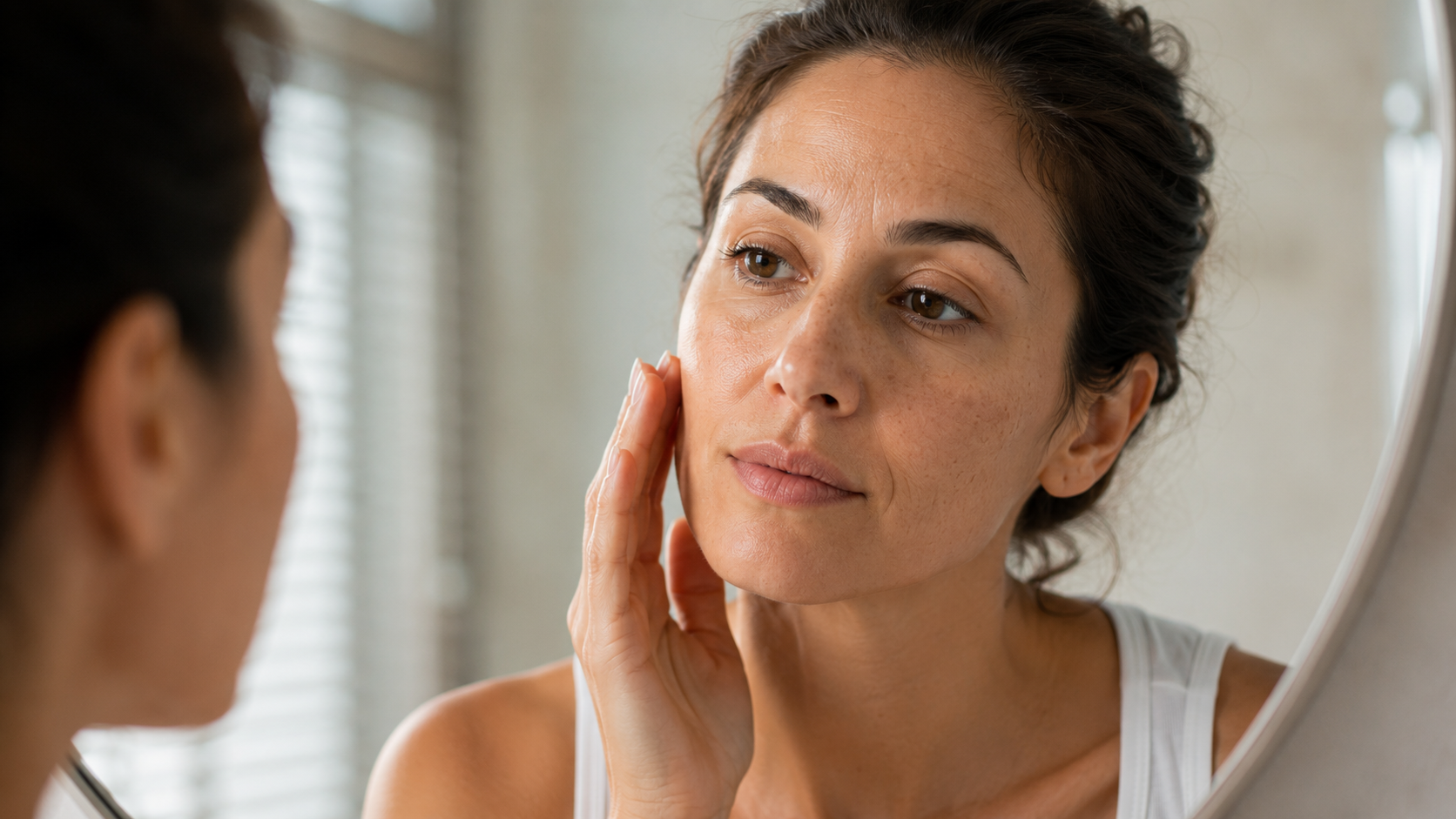
Have you ever looked at an older photograph of yourself and noticed that your skin looked different? Maybe it looked smoother, fuller or more hydrated. Today, you may be noticing little changes that were not there before—fine lines around your eyes, dryness, dark spots or a change in the overall texture of your skin. They may seem small individually, but together, they can make you realise that your skin is changing. The interesting part is that skin ageing doesn't happen all at once. It is a gradual process, and many of the first changes can be easy to overlook. You may simply think your skin looks a little tired or that dryness is temporary. But as you grow older, these small differences can become more noticeable. So, when does your skin actually start ageing, and what should you be looking for?
It doesn't begin with wrinkles
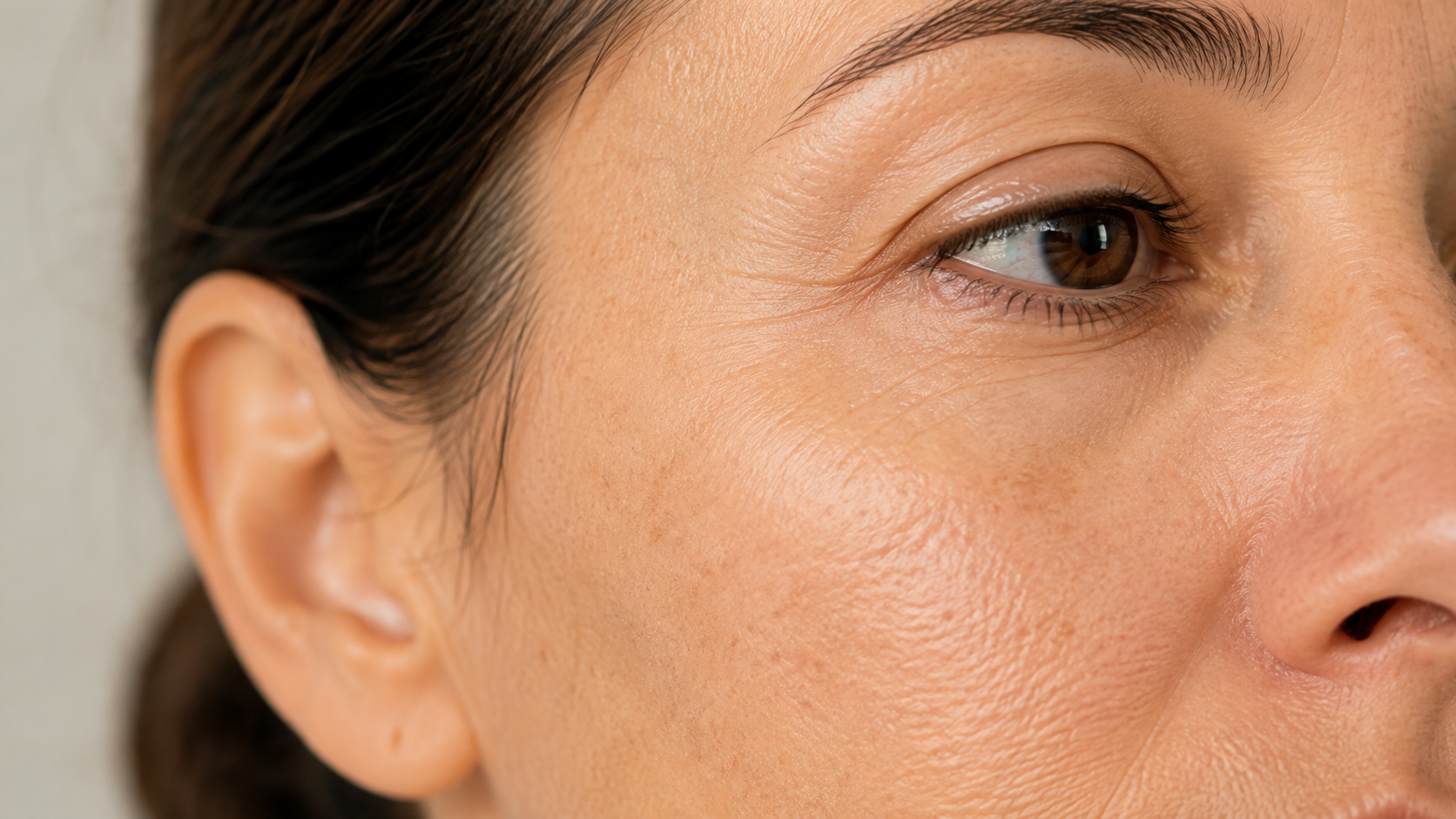
When we think about ageing skin, wrinkles are usually the first thing that comes to mind. But ageing involves much more than the appearance of lines. As we grow older, the skin gradually loses some of the components that help it maintain moisture, elasticity, strength and firmness. Because of these changes, the skin can begin to look and feel different even before prominent wrinkles appear. You may first notice that your skin isn't as naturally hydrated as it used to be. It may feel drier, look less fresh or develop a rougher texture. Your complexion may also become dull, splotchy or uneven. These changes can be so gradual that you may not even recognise them as signs of ageing at first.
Your 30s and 40s can bring the first visible changes
For many people, the 30s and 40s are when changes in the skin become easier to notice. Fine lines and wrinkles can become more visible, particularly around areas such as the eyes and mouth. The skin may also start losing some of its natural moisture as it produces less sebum, the oil that helps keep the skin hydrated and plump. This can make the skin feel tighter or drier than it did when you were younger. At the same time, your complexion may gradually lose some of its previous freshness. You might notice that your skin looks duller or less even, rather than seeing one obvious sign of ageing. Then there are the changes you may notice when you look closely.
Have you started noticing more dark spots?
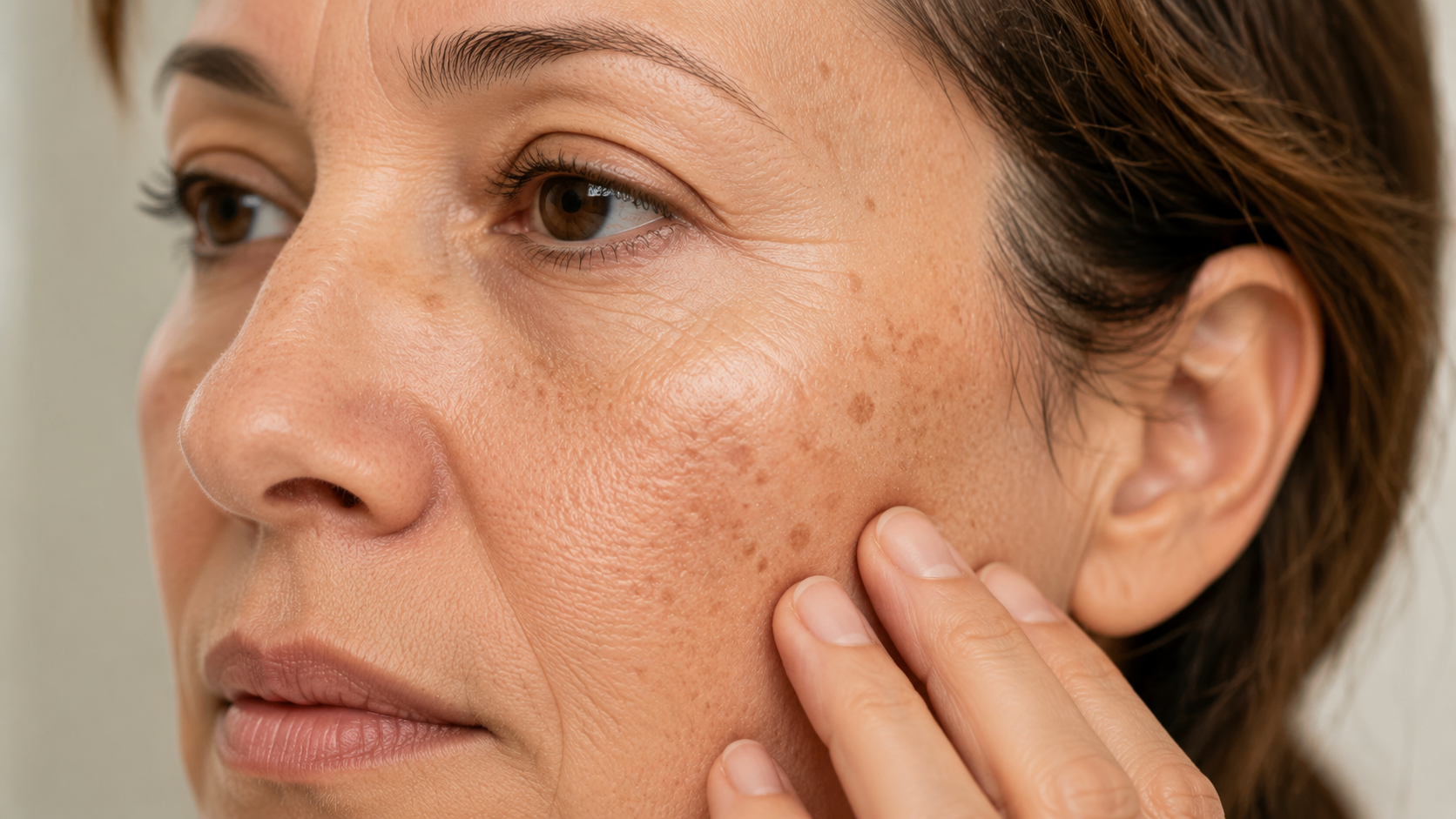
Look at the areas of your skin that are regularly exposed to the sun—your face, hands and arms. Have you noticed small, darker areas that weren't there before? Age spots can become more noticeable as the skin ages, particularly on areas that receive regular sun exposure. They are typically harmless, but their appearance can make you more aware of how much your skin has changed over the years. And this brings us to one factor that deserves particular attention when talking about ageing skin: Sun exposure. The source material identifies sun exposure as the greatest single factor in skin ageing. Areas that are repeatedly exposed to the sun can show more noticeable changes over time. This is why ageing may not look exactly the same across your body. The areas that regularly experience sun exposure can show changes more clearly than areas that remain covered. So, when you look at signs of ageing on your skin, it is worth looking beyond your face and noticing what is happening to your hands and arms as well.
Your skin can change without a single wrinkle
There are other changes that can be easy to dismiss. You may notice that your skin doesn't feel as smooth as it once did. As ageing skin becomes drier, its texture can become rougher. You may also start noticing your pores more. Pore size naturally differs between people, but mature skin can develop more visible pores. Changes in collagen and elastin can contribute to pores appearing wider, making them more noticeable on the surface.
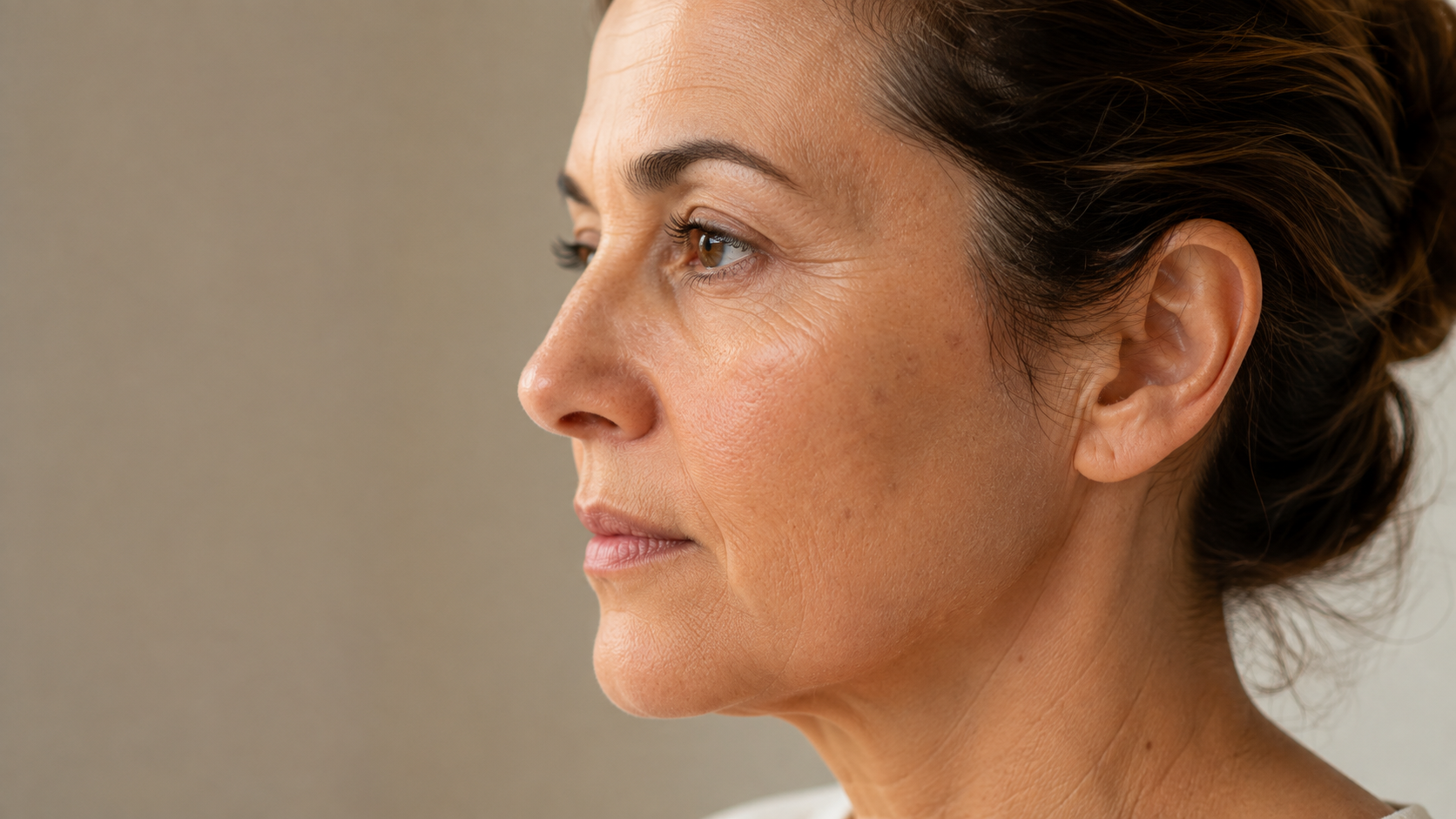
Then comes another change that many people associate strongly with ageing: loss of firmness. Collagen and elastin help provide the skin with support and elasticity. As these components change with age, the skin gradually loses some of its ability to remain firm. Over time, this can contribute to a looser or more sagging appearance. So, if your skin feels different, looks less smooth or doesn't seem as firm as before, these changes can all be part of the same ageing process.
What happens as you get older?
The changes become more pronounced as you move further into your 60s and 70s. At this stage, the skin becomes thinner and more fragile. It also takes longer to repair itself compared with younger skin. Even small injuries can take considerably longer to heal. The skin also has less of the protective fat layer beneath it. This means there is less padding and insulation, and the skin can become more vulnerable to damage. Pulling or rubbing the skin can cause tears more easily, while fragile blood vessels can make bruising and bleeding easier. Ageing also affects the skin's ability to produce sweat. As sweat production decreases, the skin becomes less effective at helping the body cool itself. These are changes that are easy to miss when we think about anti-ageing because they are not necessarily visible when you look in the mirror. But they are an important part of understanding how skin changes throughout life.
Now, take another look at your own skin
Forget your age for a moment. Think about how your skin has changed compared with a few years ago. Does it feel drier? Has its texture changed? Are fine lines becoming more noticeable? Have dark spots appeared on areas that receive more sunlight? Do your pores seem more visible? Does your skin feel less firm than before? You don't need to experience every change for your skin to be ageing. Different people notice different changes at different stages. What matters is recognising that these changes are not completely random. They are part of the way skin changes over time. And once you begin noticing them, it becomes easier to understand why your skin may need different care than it did when you were younger.
Anti-ageing is really about understanding your skin
The idea of anti-ageing is often associated with trying to remove wrinkles or make the skin look younger. But understanding skin ageing goes much deeper than that. It is about recognising changes in moisture, texture, pigmentation, elasticity and firmness. It is about understanding the effect that years of sun exposure can have on your skin. And as you grow older, it is also about recognising that your skin becomes thinner, more fragile and slower to repair itself. You cannot stop your skin from naturally ageing. But you can become more aware of it. The fine line you noticed yesterday, the dryness you have been ignoring, the dark spot you recently discovered or the change in firmness you have started to see may all be small reminders that your skin is changing. So the next time you look in the mirror, don't only ask: “Am I getting older?” Ask yourself: “What has changed in my skin?” Because understanding that change is the first step towards understanding what your skin needs next.